
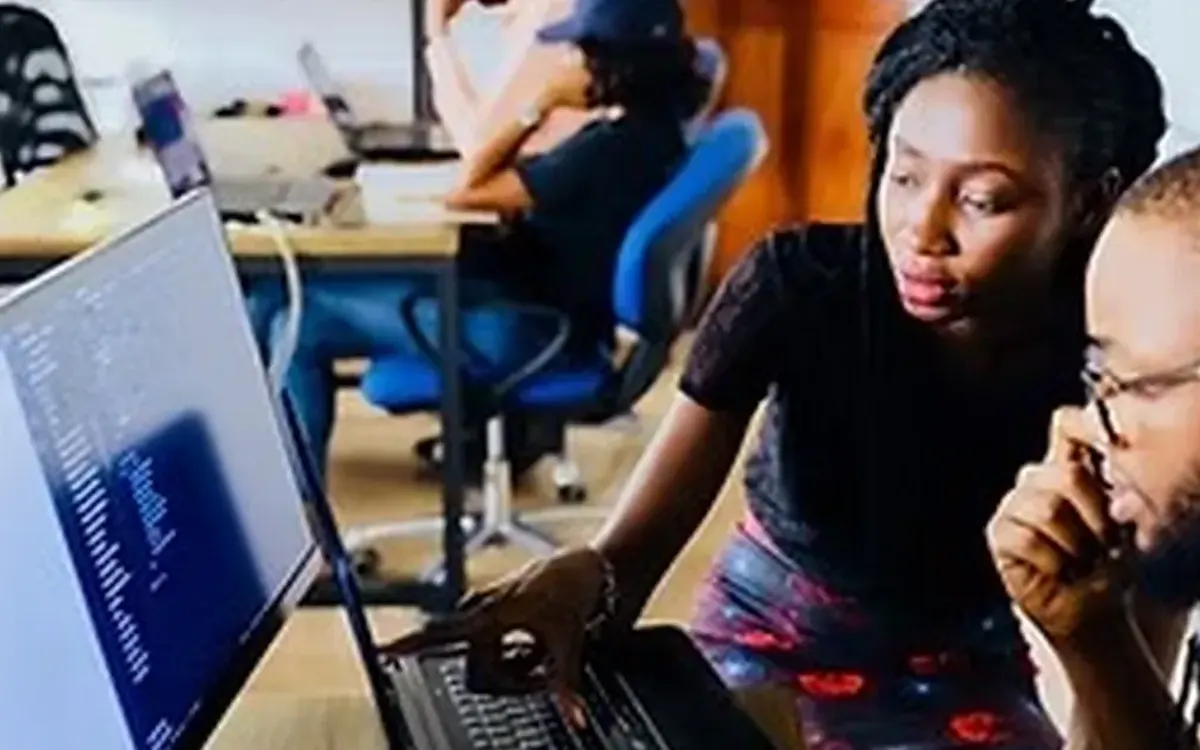
Thinking about a career in tech but don’t have A-Levels or formal academic qualifications? This degree is designed to help you break into the world of computing, starting with a foundation year that builds your skills and prepares you for university-level learning. The foundation year focuses on key areas like communication, study techniques, research, and digital literacy. It’s ideal for learners returning to education or switching careers, especially if you already have hands-on experience but need a recognised qualification.
After the foundation year, the course explores essential computing topics such as
- Programming languages and software development
- Database design and systems analysis
- Networking, cloud computing, and cybersecurity fundamentals
- User experience (UX) and web design
- Emerging technologies like AI and data analytics
You’ll gain practical skills alongside theoretical knowledge, learning how to solve real-world tech problems and build digital solutions that work. Whether you’re aiming to become a software developer, systems analyst, network engineer, or IT consultant, this course equips you with the tools to succeed in a fast-growing industry. If you’re passionate about technology and ready to take the next step, this degree offers a clear and supported pathway into the digital world.
No coding experience needed. The foundation year builds your digital skills first, and programming is taught from the basics.
Who this course suits
- You’re interested in technology and want to work in tech
- You’re changing career and want a recognised qualification in computing
- You enjoy solving problems and working things out logically
- You’ve picked up IT skills at work or at home and want to build on them
Careers this course can lead to
- IT support analyst
- Junior software developer
- Web developer
- Data analyst
- Cyber security analyst
- Network technician
- Systems analyst
- IT project coordinator
A typical week
On campus
2 days a week, around 4 hours a day
Lectures and practical lab sessions where you write code, design databases and work on networking and web projects.
Independent study
Evenings, weekends or days off
Coding practice, reading and project work, such as building and testing a website or app.
Computing: your questions answered
Do I need coding experience?
No. The foundation year builds your digital and study skills, and programming is taught from the beginning of the degree.
What topics will I cover?
Programming and software development, databases, networking and cloud computing, cyber security basics, web design and user experience, and newer areas such as AI and data analytics.
Do I need my own laptop?
A laptop makes independent study much easier, but you don’t need anything specialist to start. We’ll tell you what the university recommends for your course.
Can I move into tech from a completely different career?
Yes. Many computing students are changing career. Employers look for practical skills and projects you can show them, and the course helps you build both.
