
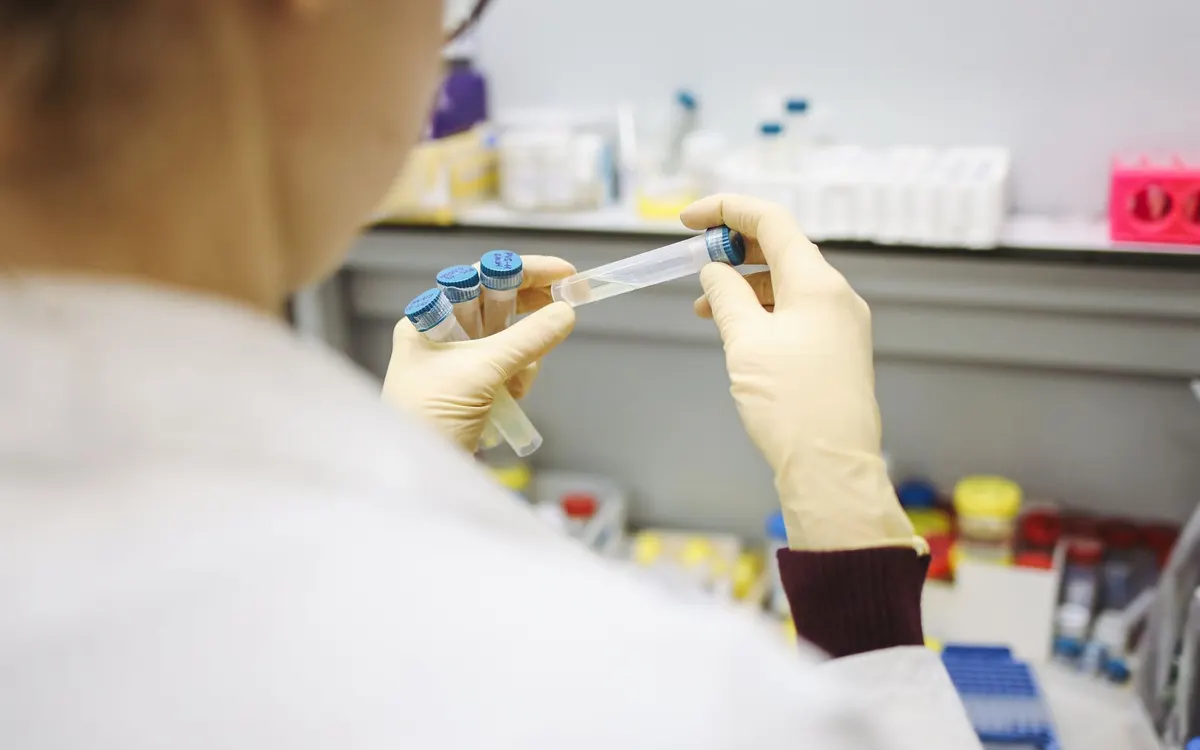
Are you curious about how science and investigation come together to solve crimes? This degree is designed to equip you with the knowledge and practical skills needed to work in forensic science and criminal investigation. You’ll explore the scientific techniques used to gather and analyse evidence, as well as the processes involved in investigating crime scenes and understanding criminal behaviour. The course combines forensic science with criminal justice, giving you a well-rounded perspective on how crimes are solved.
Throughout the course, you’ll study topics including:
- Crime scene management and evidence collection
- Forensic analysis techniques such as DNA and toxicology
- Criminal law and legal procedures
- Investigative interviewing and ethics
- Cybercrime and digital forensics
- Psychology of offenders and victims
This programme is ideal for those wanting to pursue careers in law enforcement, forensic laboratories, or investigative agencies. You’ll develop scientific, analytical, and critical thinking skills that prepare you to contribute effectively in a range of forensic and criminal justice roles. Whether you’re starting a new career or building on previous experience, this degree offers a practical, engaging route into the exciting field of forensic and criminal investigation.
Learn how evidence is gathered, analysed and used to solve crimes, from the crime scene to the courtroom.
Who this course suits
- You’re interested in how evidence is gathered and crimes are solved
- You’re careful, methodical and good at spotting detail
- You’d like a career in investigation, policing or the wider justice system
- You’re interested in science as well as criminal justice
Careers this course can lead to
- Police staff investigator
- Crime scene investigator
- Intelligence analyst
- Fraud investigator
- Digital forensics support
- Evidence and property officer
- Insurance investigator
- Compliance investigator
Laboratory roles such as forensic scientist usually ask for a degree with more chemistry or biology, so check job requirements if lab work is your goal.
A typical week
On campus
2 days a week, around 4 hours a day
Lectures and practical sessions on crime scene management, evidence collection, investigative interviewing and criminal law.
Independent study
Evenings, weekends or days off
Reading, working through case files and evidence scenarios, and writing reports.
Forensic & Criminal Investigation: your questions answered
Do I need a science background?
No. You don’t need science qualifications to start. The foundation year builds your study skills, and the course introduces the forensic techniques you’ll use.
Is this a forensic science degree?
It combines forensic methods with criminal investigation and criminal justice. If you want to work in a forensic laboratory, many of those roles ask for a degree with more chemistry or biology, so talk to us about your goals before you apply.
Will I learn about digital and cyber crime?
Yes. Cybercrime and digital forensics are part of the course.
Can this lead to a police career?
It can support an application for police officer or police staff roles. Each force sets its own entry routes and requirements.
